Home / Pest Control / Rodent Control

RODENT CONTROL · BENGALURU

Rodent control.
No shortcuts.

Bait stations, mechanical trapping and structural proofing to eliminate rats and mice from homes, apartment societies, hospitals, commercial kitchens and workplaces in Bengaluru. The treatment plan depends on the entry points, the extent of activity and what is safe for your space.

Bait stations · Mechanical trapping · Exclusion & proofing · Annual programs

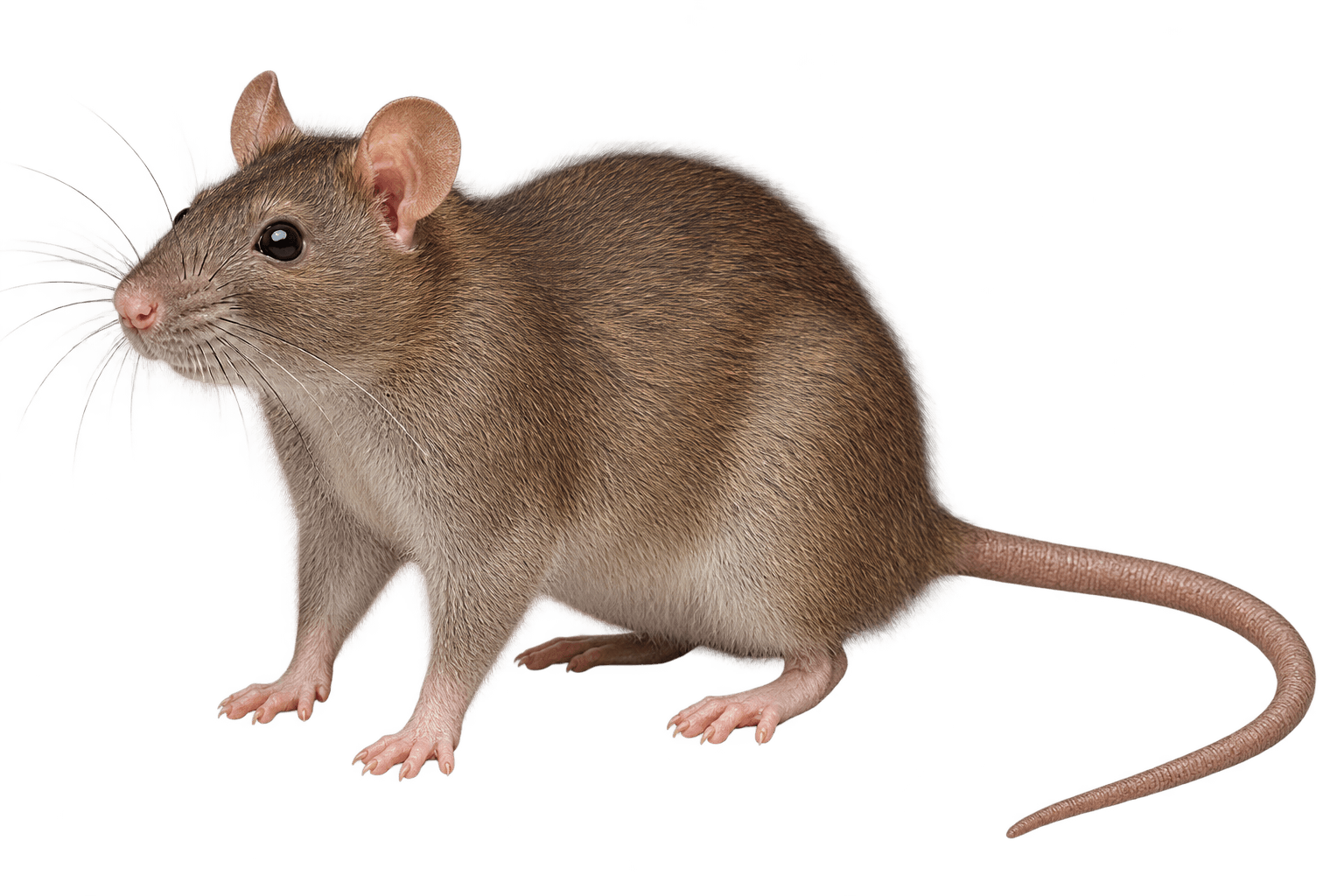
Full brown rat with its tail and paws visible

Rats & mice

Both species treated

Proofing included

Close entry points post-treatment

Annual programs for societies

Quarterly visits with documented bait maps

TREATMENT METHODS

Plan the treatment
around your property.

The right approach depends on the rodent species, the severity of activity, what areas are affected and what constraints your property has. We assess before recommending.

Rodenticide bait stations

Best for: Active infestations
01 / RODENT CONTROL

Tamper-resistant bait stations placed at documented locations to eliminate active rat and mice populations. The rodenticide bait is fully enclosed within the station, preventing access by children, pets and non-target animals while remaining accessible to rodents that regularly travel the same routes.

Stations are mapped to a site-specific placement plan so every unit can be checked and replenished on subsequent visits. Rodents typically take the bait within 3–7 days and the population declines over 2–4 weeks. Dead rodents should be disposed of using gloves; accessible carcasses in common areas can be removed by the team during follow-up visits.

  • Site survey to determine placement locations and station type
  • Installation of tamper-resistant bait stations at all identified points
  • Bait station map — a record of every station placed and where
  • Follow-up visit to check stations, replenish bait and remove accessible carcasses
Enquire about this treatment

Mechanical trapping

Best for: Hospitals, kitchens & food areas
02 / RODENT CONTROL

Snap traps and cage traps for areas where rodenticide cannot be used — commercial kitchens, hospital wards, food storage areas and anywhere secondary poisoning or carcass odors inside walls would create a problem. Trapping also gives a clear visual record of activity levels.

Trap placement follows the same survey-and-documentation approach as bait stations. Traps are checked and cleared on a daily or scheduled basis depending on the level of activity. Cage traps allow live capture for situations where this is preferred or required. The team advises on which trap type is appropriate for each space after assessing the rodent routes and harbourage areas.

  • Trap placement survey and documentation of all trap positions
  • Installation of snap traps or cage traps at agreed locations
  • Scheduled check-and-clear visits — daily or as agreed
  • Disposal of trapped rodents and hygiene guidance
Enquire about this treatment

Exclusion & proofing

Best for: Preventing re-entry long-term
03 / RODENT CONTROL

Eliminating an existing rodent population is only half the work. Proofing — identifying and sealing the physical gaps through which rodents enter — is what prevents re-infestation after treatment. A rat can squeeze through any gap larger than 1.5 cm; mice through any gap larger than 6 mm.

The proofing survey documents every entry point with photographs and recommended repair materials — expanding foam, steel wool, cement, or metal plates depending on the opening and its location. Proofing is scoped and priced separately from the rodenticide or trapping treatment. It is most effective once the existing population has been eliminated, so the two phases are usually planned in sequence.

  • Full proofing survey with photographs and written report
  • Identification of all gaps, drain entry points, pipe penetrations and structural openings
  • Recommended fill material for each entry point
  • Proofing works scoped separately — repair access and materials confirmed before work begins
Enquire about this treatment

Annual Maintenance Contract

Best for: Societies, warehouses & institutions
04 / RODENT CONTROL

Year-round rodent control with quarterly visits, documented bait station maps and emergency call-outs between scheduled visits. For properties where rodent activity would cause significant health, safety, compliance or reputational consequences.

Each visit includes a full inspection of all stations and traps, bait replenishment, removal of accessible carcasses, a written record of observations and any recommendations. AMC clients receive priority scheduling and emergency response for urgent activity between visits. Society-wide AMCs cover common areas, basements, pump rooms, refuse areas and the external perimeter.

  • Four scheduled visits per year — quarterly inspection and treatment
  • Documented bait station and trap placement map updated on every visit
  • Emergency call-outs between scheduled visits for urgent activity
  • Society-wide or commercial-property scope with full-perimeter coverage
Enquire about this treatment

KNOW WHAT TO LOOK FOR

Signs of rodent activity.

Rodents are cautious and rarely seen directly. These are the signs that confirm an active infestation and help identify where the colony is sheltering.

01

Droppings

Mouse droppings are rice-grain sized and dark; rat droppings are about 1–2 cm long and cylindrical. Fresh droppings are dark and moist; old ones are grey and dry. Location indicates travel routes.

02

Gnaw marks

Rodents must gnaw continuously to keep their teeth from growing too long. Look for gnaw marks on food packaging, electrical wires, insulation, wood, plastic pipes and cardboard.

03

Grease trails

Rats travel the same routes and leave a greasy smear from their fur along walls, pipes and beams. Dark, greasy marks at low level on walls or pipes near gaps are a reliable sign of regular rodent movement.

04

Scratching sounds

Scratching, scurrying or gnawing sounds — especially at night — from inside walls, ceilings or beneath floors. Sounds that start and stop suggest active movement rather than other causes.

AFTER YOUR TREATMENT

Keep rodents from coming back.

Treatment removes the current population. These steps eliminate the conditions that attract rodents and make it much harder for a new infestation to establish.

Seal food in hard containers

Transfer dry goods — rice, grains, pulses, pet food — to rodent-proof hard containers. Cardboard and plastic bags are not a barrier. Eliminate the food source that attracted rodents in the first place.

Remove clutter and harbourage

Stacked cardboard, old furniture and accumulated clutter provide shelter and nesting material. Clear storage areas and keep at least 30 cm between stored items and walls.

Keep refuse covered and emptied

Dustbins and refuse areas are among the most common attractants. Use bins with secure lids, empty them regularly and keep the area around them clean.

Book your proofing survey

Once elimination is confirmed at the follow-up visit, schedule a proofing survey to close the entry points. This is the most effective long-term step to prevent re-infestation.

BEFORE YOU BOOK

Rodent control — common questions

Is rodenticide bait dangerous for pets?

The bait is enclosed inside tamper-resistant stations that rodents enter through small openings inaccessible to larger animals. However, secondary poisoning is possible if a pet eats a poisoned rodent. If you have cats or dogs that catch or eat rodents, mechanical trapping is the safer choice. Tell us about your pets before treatment so we can recommend the appropriate method.

How long does it take to eliminate rats?

Rodents typically begin taking bait within 3–7 days of station placement. A significant reduction in activity is usually visible within 2–3 weeks. A complete elimination depends on the size of the population, the extent of the infestation and whether entry points have been sealed. The follow-up visit at 2–3 weeks confirms the result and addresses any remaining activity.

Will dead rats in the walls cause a smell?

Dead rodents inside walls or inaccessible voids can cause odors for 1–4 weeks as they decompose. This is more common with rodenticide treatment than with mechanical trapping where bodies are removed. If the infestation is severe or the property has complex voids, discuss this risk before treatment. An odor neutraliser can be used in accessible areas.

Should we treat for rats and then do proofing, or the other way around?

Treatment first, proofing second. Proofing is most effective once the existing population has been eliminated — sealing entry points before elimination can trap live rodents inside. The treatment phase removes the population, the follow-up confirms it, and the proofing survey then identifies and closes the entry points to prevent re-entry.

Can you treat an entire society's rodent problem?

Yes. Society-wide programs cover individual flats (on request from residents), common corridors, staircases, basements, pump rooms, refuse areas, drain surrounds and the external perimeter. Speak to your society management team or share the requirement directly so we can prepare a scope and pricing.

BOOK YOUR TREATMENT

Ready to solve your rodent problem?

Share your Bengaluru locality, property type and where you have noticed rodent activity. The team will recommend the right treatment method and confirm availability.

Get a rodent control quote For society-wide programs or properties with urgent health or safety concerns, mention the scale and urgency so we can prioritise your enquiry.