Home / Pest Control / Cockroach Control

COCKROACH CONTROL · BENGALURU

Less pest.
More peace.

Cockroach control for the spaces you live and work in. From kitchen gel bait to property-wide treatment, your KEPR team helps scope the work and coordinate the visit.

Gel bait, residual spray, crack & crevice treatment and annual programs.

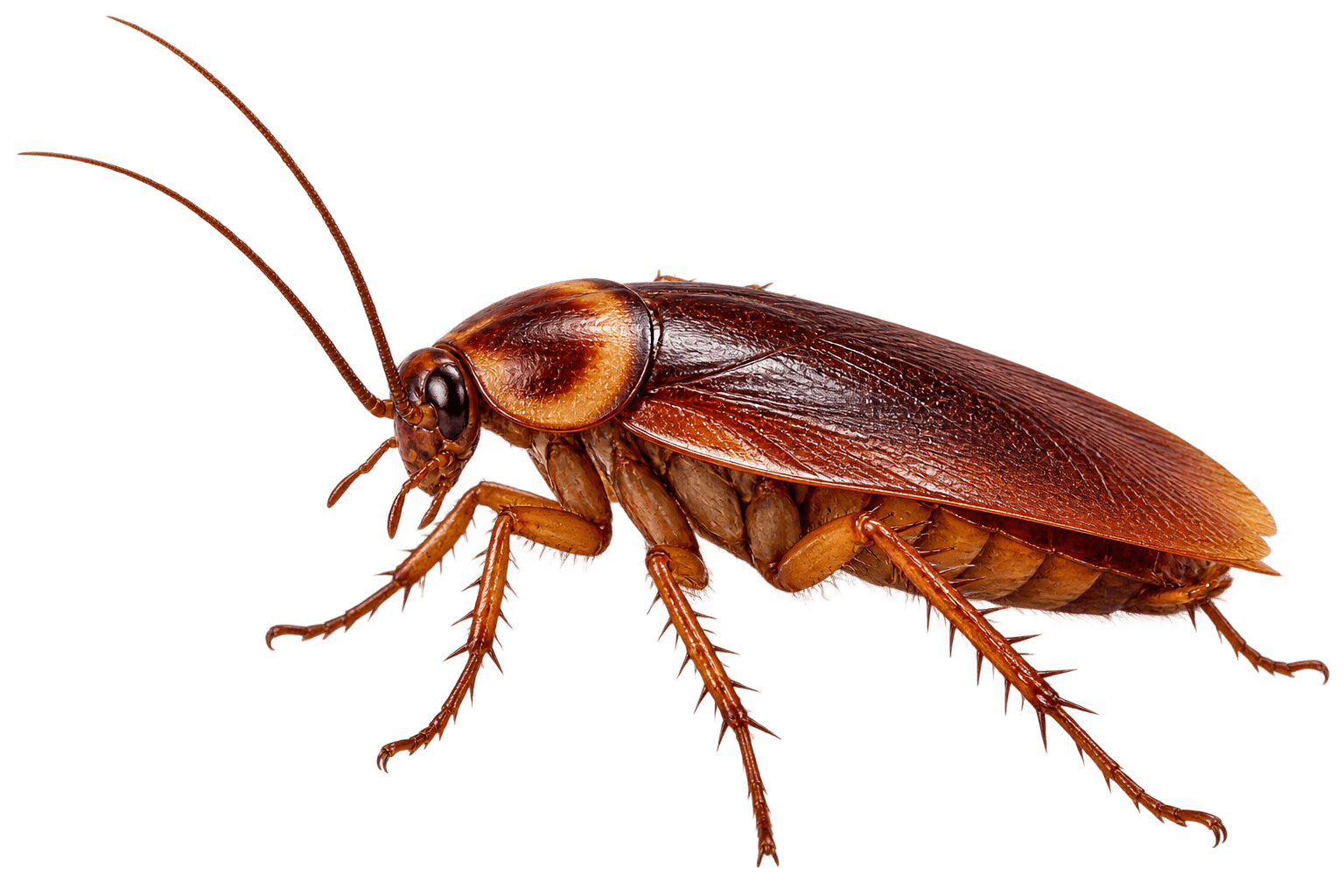
Full cockroach with legs and antennae visible

2 species treated

German & American cockroaches

Targeted treatment

A plan for your property

Annual programs for societies

Quarterly visits with treatment records

TREATMENT METHODS

The right treatment
for your infestation.

German cockroaches (small, kitchen variety) and American cockroaches (large, drain variety) need different approaches. We identify which species you have and recommend accordingly.

Gel bait treatment

Best for: Kitchens & food areas
01 / COCKROACH CONTROL

The most effective method for German cockroaches — the small, light-brown variety found in kitchens, behind appliances and inside cabinets. A precisely placed, odorless gel attracts and eliminates the colony through a cascading effect as affected cockroaches carry the bait back to their harbourage.

No strong smell. No need to empty every cupboard. No need to vacate the premises. The gel is applied in small dots in specific spots where cockroaches travel and rest — hinges, corners, motor vents, under sinks and behind switchboards. It is safe in food preparation areas when applied correctly and does not leave visible residue.

  • Survey of all cockroach harbourage points before application
  • Targeted gel placement in kitchen, bathrooms and utility areas
  • Guidance on what to clear and what to leave for best results
  • Follow-up visit to refresh bait and confirm elimination
Enquire about this treatment

Residual spray treatment

Best for: Large infestations & drains
02 / COCKROACH CONTROL

Best for large American cockroaches — the big, reddish-brown variety that comes up through drains, enters through gaps and is commonly found in basements, utility shafts and ground-floor areas. A residual insecticide is applied to wall edges, floor borders, drain surrounds and behind fixed furniture.

The treatment leaves a residual effect on surfaces for several weeks. Cockroaches that cross treated surfaces pick up the insecticide and die. The property or treated rooms should be vacated for 2–4 hours after application. Surfaces should be wiped down in food-contact areas before reuse. Tell us about any allergies, respiratory conditions or pets before treatment.

  • All ground-floor wall edges, floor borders and skirting
  • Drain surrounds, utility areas and entry-point surfaces
  • Behind fixed furniture and appliances where accessible
  • External perimeter treatment on request for ground-floor properties
Enquire about this treatment

Crack & crevice treatment

Best for: Hidden colonies & egg capsules
03 / COCKROACH CONTROL

Cockroaches spend most of their lives inside cracks, crevices, gaps behind tiles and panels, and voids around pipes and false ceilings. Crack and crevice treatment injects insecticide directly into these spaces, targeting the colony at the source rather than only on visible surfaces.

Particularly effective where gel bait has not reached a stubborn infestation or where large numbers of egg cases (oothecae) have been found. Used as a stand-alone treatment for severe infestations or as a complement to gel bait or spray treatment in hard-to-reach areas. A full survey identifies all accessible entry points and harbourage gaps before treatment.

  • Gaps around pipe penetrations, conduit and service entries
  • Cracks at wall and floor junctions, behind tiles and false-ceiling voids
  • Behind switchboards, panels and fixed kitchen equipment
  • Cavities around windows, door frames and skirting boards
Enquire about this treatment

Annual Maintenance Contract

Best for: Societies, hospitals & kitchens
04 / COCKROACH CONTROL

Four scheduled treatment visits per year with documentation and treatment records. Designed for properties that need to maintain health and safety compliance, meet regulatory standards or simply want year-round protection without managing individual bookings.

Each visit includes an inspection, treatment, and a written record of chemicals used, areas covered and any issues observed. AMC clients receive priority scheduling and emergency call-outs between scheduled visits at no extra charge. Society-wide AMCs can be scoped to include individual flats, common areas, basements, drains and the external perimeter.

  • Four scheduled visits per year (quarterly)
  • Treatment records and chemical data sheets on every visit
  • Emergency call-outs between scheduled visits
  • Society-wide or commercial-property scoping available
Enquire about this treatment

KNOW WHAT TO LOOK FOR

Signs of a cockroach infestation.

Cockroaches are nocturnal and stay hidden. By the time you see one during the day, the colony is usually well-established. These signs indicate it is time to treat.

01

Live cockroaches

Seeing cockroaches during the day is a sign of a large infestation — they usually only appear at night. Spotting them in kitchens, bathrooms or near drains warrants treatment.

02

Egg capsules (oothecae)

Brown, bean-shaped capsules found in corners, under appliances or behind panels. Each capsule contains 16–40 eggs. Finding capsules means the colony is well-established.

03

Droppings

Small dark specks resembling coffee grounds or black pepper near food, in cupboards or behind appliances. Larger American cockroaches leave cylindrical droppings about 2 mm long.

04

Musty or oily odor

A persistent musty or oily smell in a kitchen or bathroom with no obvious cause may indicate a significant cockroach harbourage in a hidden void or gap nearby.

AFTER YOUR TREATMENT

Keep cockroaches from coming back.

Treatment removes the existing colony. These steps reduce the chances of a new infestation and make follow-up treatments more effective.

Keep surfaces dry

Cockroaches thrive in moisture. Wipe down kitchen surfaces, fix dripping taps and ensure no standing water under the sink or near the fridge.

Store food in sealed containers

Remove the food source. Store dry goods — rice, flour, pulses — in airtight containers. Empty pet food dishes overnight.

Fill gaps around pipes

Use sealant or steel wool to close gaps where service pipes enter walls. These are the most common entry points for cockroaches from neighbouring units or drains.

Schedule your follow-up

The follow-up visit is included. Contact the team to arrange it 2–4 weeks after treatment so bait can be refreshed and elimination can be confirmed.

BEFORE YOU BOOK

Cockroach control — common questions

What is the difference between gel bait and spray treatment?

Gel bait is odorless, requires no vacating and is most effective for small German cockroaches in kitchens. Spray treatment uses a residual insecticide on surfaces and is better for large American cockroaches in drains and basements — it requires a 2–4 hour absence from treated rooms. For a severe or mixed infestation, both methods can be used in combination.

Do I need to empty all my kitchen cupboards?

For gel bait treatment: no. We only need to access the inside back corners and motor vents of your appliances, under-sink cabinet and a few key spots. For spray treatment: food and utensils in sprayed areas should be removed or covered. We will confirm what specific preparation is needed for your kitchen before the visit.

Is gel bait safe near food?

Yes, when applied correctly. The gel is placed in tiny quantities in non-contact spots — hinges, voids, cracks — rather than on food surfaces. It uses attractants that bring cockroaches to the bait, so it can be placed away from food areas while remaining effective. Confirm any allergies or sensitivities before treatment.

How soon will cockroaches disappear after treatment?

Gel bait shows a significant reduction in 1–2 weeks as the colony feeds on and is killed by the bait. Spray treatment kills on contact and has a residual effect for several weeks. A complete elimination typically requires 2–4 weeks and a follow-up treatment. A large, well-established infestation may need a second round.

Can cockroaches from neighbouring flats re-infest my unit?

Yes, particularly in apartment buildings where cockroaches travel through shared drain pipes, service shafts and gaps in walls. Crack and crevice treatment and sealing pipe entry points help prevent re-entry. A society-wide treatment program provides better long-term control than treating individual flats.

BOOK YOUR TREATMENT

Ready to be cockroach-free?

Share your Bengaluru locality, property type and where you have spotted cockroach activity. The team will recommend the right treatment method and confirm availability.

Get a cockroach control quote For large infestations or society-wide treatment programs, mention the property size and urgency so we can prioritise your enquiry.